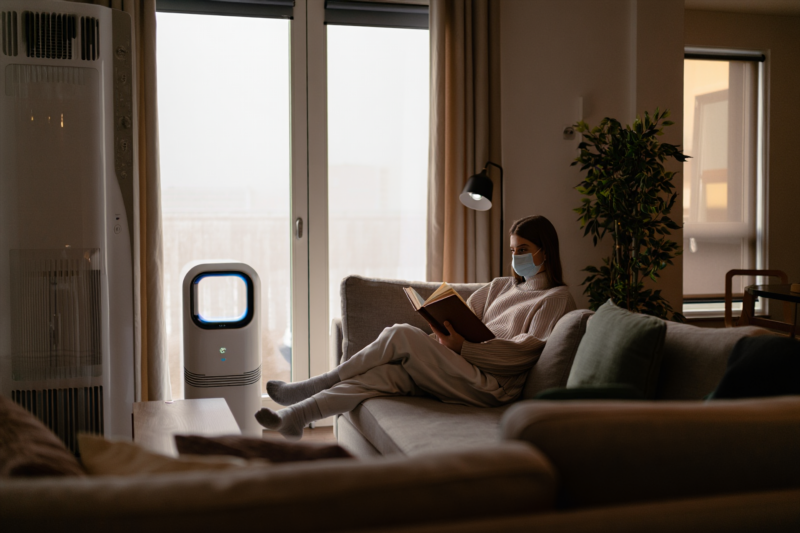
Thailand’s vibrant cities like Bangkok, Chiang Mai, Pattaya, and Phuket attract numerous expats and investors, but seasonal air quality issues—particularly during smoky seasons—pose significant health challenges. Fine particulate matter (PM2.5) particles are tiny enough to penetrate deep into the lungs and bloodstream, potentially causing serious health problems. Fortunately, proactive housing planning and smart features can dramatically reduce indoor PM2.5 levels, creating healthier living environments. This guide provides expert tips for optimizing your home’s design and features to combat smoky seasons effectively.
Understanding PM2.5 and Its Impact on Indoor Air Quality
What is PM2.5?
Particulate Matter 2.5 (PM2.5) refers to pollutants that are 2.5 micrometers or smaller—about 30 times smaller than the width of a human hair. These particles originate from vehicle emissions, industrial activities, burning biomass, and seasonal agricultural fires, especially prevalent in northern Thailand during dry seasons.
Why is PM2.5 Dangerous?
Due to their tiny size, PM2.5 particles can bypass the body’s natural defenses, reaching the lungs and even entering the bloodstream. This exposure increases risks of respiratory issues, cardiovascular diseases, and other long-term health problems—making indoor air quality during smoky seasons a critical concern.
Key Features for Smarter Homes: Reducing PM2.5 Infiltration
1. Advanced Air Filtration Systems
Choose High-Efficiency Particulate Air (HEPA) Filters
- Capable of trapping 99.97% of particles ≥0.3 microns
- Essential for maintaining clean indoor air during smoke seasons
- Consider installing portable air purifiers in bedrooms and living areas
Integrate Whole-House Air Purification
- Centralized systems with HEPA and activated carbon filters
- Ensures comprehensive air quality management for larger spaces
2. Effective Ventilation and Filtration Design
Optimize Airflow Paths
- Install controlled exhaust vents and fresh air intakes with filters
- Ensure proper sealing of windows and doors during smoky days to prevent infiltration
Use Mechanical Ventilation with Filtration
- Use exhaust fans in kitchens and bathrooms to expel indoor pollutants
- Employ energy recovery ventilators (ERVs) with filtration ability for continuous fresh air
3. Construction and Architectural Features
Sealed and Insulated Building Envelope
- Use weather-stripping on doors and windows to prevent outdoor smoke seepage
- Utilize high-quality sealants during construction to reduce leakage points
Proper Window and Door Placement
- Position windows away from sources of pollution and prevailing winds
- Install double-glazed or acoustic windows for added insulation and filtration
4. Smart Placement and Landscaping
Strategic Landscaping
- Plant windbreaks or green screens to direct airflow away from living spaces
- Use dense foliage to act as natural barriers against airborne pollutants
Practical Tips for Fairly Smoked Seasons
| Tip | Description | Benefit |
| Keep windows and doors closed during smoky days | Minimizes outdoor air infiltration | Protects indoor air quality |
| Use indoor plants with air-purifying properties | Enhanced natural purification | Adds aesthetic value while improving air quality |
| Regularly replace filters | Maintains filtration efficacy | Ensures ongoing protection against PM2.5 |
| Monitor local air quality reports | Stay informed to plan outdoor activities | Reduce exposure during peak pollution times |
Long-Term Housing Strategies for Healthier Living in Thailand
Invest in Air Quality Monitoring Devices
- Maintain awareness of indoor and outdoor pollutant levels
- Trigger alerts for necessary actions like activating purifiers
Consider New Developments with Health-Focused Features
- Seek properties with built-in advanced filtration systems
- Opt for homes with improved sealing and insulation
Educate and Prepare Your Household
- Establish routines for minimizing indoor pollutants
- Use masks when ventilation must be open temporarily
As Thailand continues to embrace vibrant urban and coastal lifestyles, understanding how to improve indoor air quality during smoky seasons is vital. Smart housing features—ranging from high-efficiency filtration and sealing to architectural design—play a crucial role in safeguarding health. By implementing these expert tips, expats and investors can enjoy healthier, safer homes across Bangkok, Chiang Mai, Pattaya, and Phuket. Prioritize your well-being and invest in a home designed to breathe easier—because a healthier life begins with clean air.
Frequently Asked Questions (FAQs)
How effective are air purifiers against PM2.5?
High-quality HEPA air purifiers can remove up to 99.97% of PM2.5 particles, making them highly effective, especially when used consistently in living and sleeping areas.
Can I retrofit my existing home with these features?
Absolutely. Many improvements, like installing air purifiers, sealing gaps, and upgrading ventilation, can be added to existing properties to improve air quality.
What are the costs involved?
Costs vary based on the size of the home and the level of features chosen. Basic portable air purifiers start around $100–$300, while whole-house systems can run from $1,500 upwards. Think of these as essential investments in your health.
Are there any government or local incentives for upgrading home air quality?
Check with local authorities or property developers—some regions may offer incentives or subsidies for energy-efficient and health-focused home upgrades, especially during times of high pollution.
Enhance indoor air safety today. Invest in smart housing features and breathe easier through Thailand’s smoky seasons.