Living in Bangkok or Phuket means enjoying tropical climates that are naturally humid and warm. While this creates a lush, vibrant environment, it also poses risks such as mold growth and moisture-related damages in condos and villas. Mold not only damages property but can also affect your health, leading to allergies and respiratory issues. Effective humidity control is crucial for preserving your investment and maintaining a healthy indoor environment.
In this guide, we’ll explore essential humidity control and mold prevention tips tailored for Bangkok condos and Phuket villas. Whether you’re a property owner, investor, or expat, mastering these strategies will help you protect your property and ensure a more comfortable living space.
Understanding Humidity and Mold Risks in Tropical Climates
Why Is Humidity a Problem in Bangkok and Phuket?
- High Relative Humidity: Bangkok and Phuket often experience humidity levels above 70%, creating ideal conditions for mold growth.
- Temperature Fluctuations: Warm temperatures combined with moisture promote mold proliferation.
- Poor Ventilation Areas: Bathrooms, kitchens, and enclosed spaces tend to trap moisture, increasing mold risk.
The Dangers of Mold in Your Property
- Structural Damage: Mold can deteriorate walls, ceilings, and furniture.
- Health Hazards: Exposure can cause allergies, asthma, and other respiratory problems.
- Decreased Property Value: Mold infestation diminishes property appeal and market value.
Proven Humidity Control Tips for Bangkok Condos and Phuket Villas
1. Maintain Optimal Indoor Humidity Levels
- Keep humidity below 60%: Use a hygrometer to monitor indoor moisture.
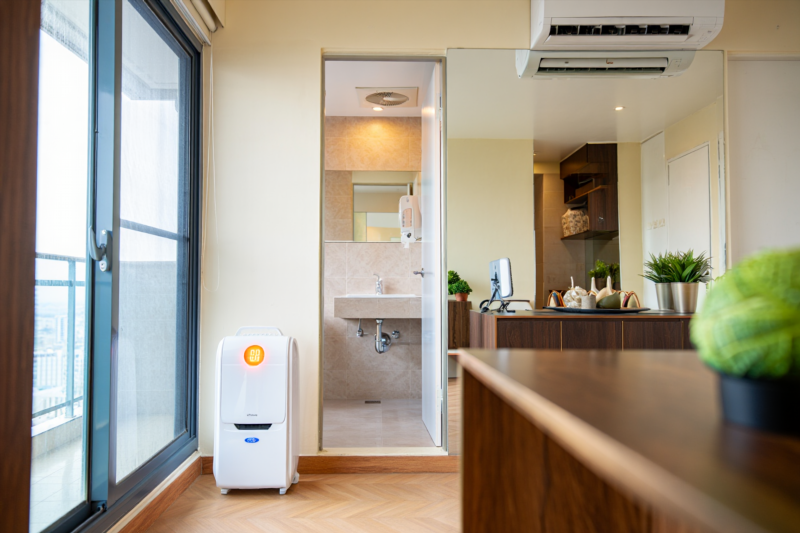
- Utilize dehumidifiers: Essential in high-humidity seasons, especially in enclosed spaces.
- Air conditioning: Regular use not only cools but also reduces indoor humidity naturally.
2. Ensure Proper Ventilation
- Use exhaust fans: Install and consistently operate in kitchens and bathrooms.
- Open windows: When outdoor air quality and weather permit, increase cross-ventilation.
- Install ventilation systems: Consider mechanical ventilation for spaces prone to moisture buildup.
3. Manage Moisture Sources
- Fix leaks promptly: Plumbing issues increase moisture levels significantly.
- Use waterproofing: Seal walls and ceilings in prone areas.
- Avoid drying clothes indoors: Use outdoor space or dedicated drying areas to prevent excess indoor moisture.
4. Regular Cleaning and Maintenance
- Clean mold-prone areas: Regularly scrub bathrooms, kitchens, and basements.
- Use mold-resistant paints: Apply in high-moisture zones for extra protection.
- Check HVAC filters: Replace frequently to ensure optimal air flow and filtration.
5. Strategic Use of Mold Inhibitors and Absorbers
- Silica gel or activated charcoal: Place in closets and storage areas.
- Mold inhibitors: Apply mold-resistant sprays on walls and ceilings periodically.
Special Considerations for Bangkok and Phuket Properties
| Condition/Feature | Recommended Control Measures |
| Condos with Limited Ventilation | Use portable dehumidifiers, keep windows slightly open when possible |
| Villas with Large Open Spaces | Maximize cross-ventilation, incorporate natural airflow tactics |
| High-Risk Areas (Bathrooms, Basements) | Install exhaust fans, waterproof flooring, and moisture barriers |
FAQs: Mold Prevention in Tropical Climates
How often should I check for mold in my property?
At least quarterly, especially before and after the rainy season, to catch and address any early signs of mold growth.
Can air purifiers prevent mold?
While air purifiers improve air quality, they do not eliminate excessive humidity. Use them in conjunction with dehumidifiers for best results.
What should I do if I find mold?
Address mold immediately by cleaning affected areas with mold-killing solutions, improving ventilation, and reducing humidity. Seek professional help for extensive infestations.
Final Tips: Protect Your Investment and Well-Being
- Stay proactive: Regular maintenance and monitoring are key.
- Invest in quality appliances: Dehumidifiers and ventilation systems effectively control indoor moisture.
- Consult local experts: Ask for tailored solutions considering Bangkok and Phuket’s climate nuances.
By implementing these humidity control and mold prevention strategies, you’ll safeguard your property, preserve its value, and enjoy a healthier, mold-free living environment in Thailand’s vibrant tropical paradise.
Ready to take control of humidity in your Bangkok condo or Phuket villa? Contact local property experts or mold prevention specialists today to get personalized advice and services tailored to your specific property needs.