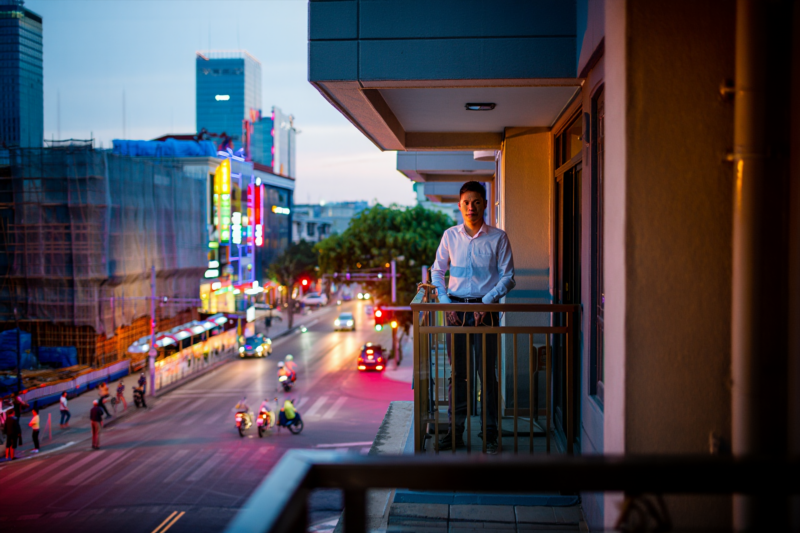
Understanding Noise Risks in Urban Environments
As Thailand’s vibrant cities like Bangkok, Chiang Mai, Pattaya, and Phuket continue to grow, urban development—such as new roads, nightlife venues, and construction projects—inevitably brings increased noise levels. For expats, investors, and residents, understanding these noise hazards is vital for safeguarding your quality of life, property value, and health. This guide provides expert insights into how to identify, detect, and mitigate noise risks associated with urban development.
Why Noise Risks Matter in Urban Development
Noise pollution from city expansion can lead to:
- Health issues: Stress, sleep disturbances, hearing impairment
- Decreased property value: Excessive noise can make neighborhoods less desirable
- Disruption of daily life: Interference with work, relaxation, and social activities
- Legal and regulatory challenges: Understanding local noise regulations is essential for project compliance
By proactively recognizing noise hazards, you can make informed decisions whether investing in real estate or negotiating development projects.
How to Detect Noise Hazards from Roads and Nightlife
Detection of noise risks involves a combination of observation, measurement, and understanding developmental plans.
Key Indicators of Noise Hazards
- Visible Construction Activities: Ongoing building, road work, or demolition
- Nightlife Venues: Bars, clubs, and entertainment areas operating late into the night
- Traffic Density: Congested roads, busy thoroughfares, and increased vehicle flow
- Sound Level Patterns: Regular spikes in noise during certain times (e.g., evenings, weekends)
Effective Detection Methods
| Method | Description | When to Use |
| Visual Inspection | Observe construction sites, nightlife venues, and traffic. | During daytime or evening visits |
| Sound Level Meter (SLM) Measurement | Use calibrated decibel meters to record actual noise levels. | At different times of day |
| Community Feedback | Gather resident and tenant reports of noise disturbances. | Continually, as part of community engagement |
| Regulatory Monitoring Data | Review city or local government noise monitoring reports. | For baseline levels and compliance checks |
Practical Tips for Residents and Investors
- Visit neighborhoods at different times: To gauge peak noise periods.
- Ask developers or property managers: About planned noise mitigation measures.
- Use smartphone apps: Noise measurement apps can provide quick approximations of ambient noise levels.
- Consult local regulations: Understand permissible noise limits for different zones in Thailand.
Protecting Your Environment from Noise Hazards
Prevention is better than cure. Implement these strategies to safeguard your space:
For Residents
- Soundproofing: Use double-glazed windows, solid doors, and acoustic insulation.
- Strategic Positioning: Choose units away from busy roads and nightlife hotspots.
- Landscaping: Incorporate trees and barriers that absorb sound.
- Community Engagement: Participate in local discussions about noise control.
For Developers and Investors
- Noise Barriers: Incorporate physical barriers in project designs to reduce impact.
- Timing Constraints: Schedule noisy activities during daytime hours.
- Compliance with Regulations: Adhere to local noise level standards and zoning laws.
- Public Awareness Campaigns: Educate stakeholders about noise mitigation.
Understanding how to detect and manage noise hazards from roads, nightlife, and construction is essential for maintaining a peaceful living environment and protecting your property investments. Use the outlined detection methods and preventive strategies to stay informed and proactive. Whether you’re a resident, property investor, or developer, awareness and action today ensure a more harmonious urban experience tomorrow.
Frequently Asked Questions
Q: How can I measure noise levels in my neighborhood accurately?
A: Use a calibrated sound level meter or a reputable smartphone app to record decibel levels during different times of the day. Comparing these measures against local noise regulations helps identify potential hazards.
Q: Are noise restrictions different for residential and commercial zones in Thailand?
A: Yes, urban zoning laws specify permissible noise levels and hours. Check local ordinances to ensure compliance, especially when planning or assessing new developments.
Q: What should I do if I experience excessive noise from a construction site?
A: Report the issue to local authorities or community boards. Document times and noise levels using measurements or photos to support your complaint.
Stay vigilant, informed, and proactive to ensure your environment in Thailand remains peaceful despite ongoing urban development.